Schlagwörter
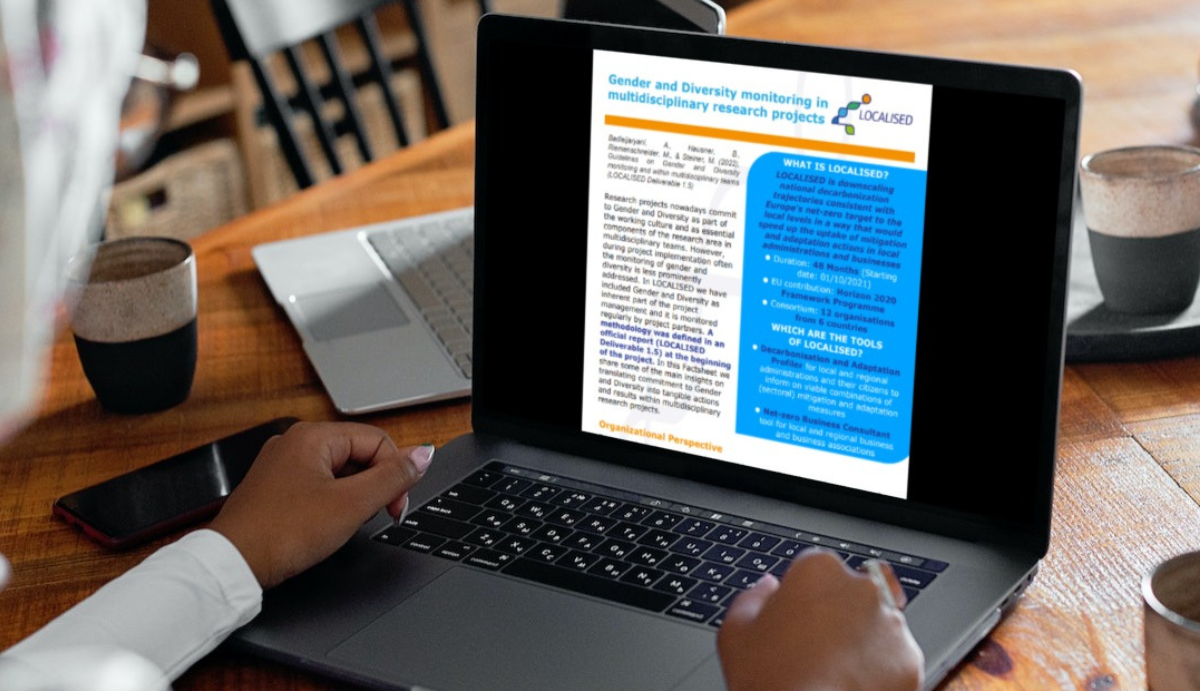
As we commemorate International Women’s Day 2024, it is essential to reflect on the progress made towards gender equality and diversity, especially in fields like research and innovation. A crucial aspect of this progress involves creating inclusive, gender-sensitive environments, particularly within collaborative, multidisciplinary teams. Such environments not only cultivate a sense of belonging for all team members but also harness the diverse perspectives and experiences each individual brings.
By Azadeh Badieijaryani
The blogpost in german: Förderung von Geschlechtergerechtigkeit und Diversität in Forschung und Innovation: Lessons Learned aus dem Horizont 2020 Projekt „LOCALISED“
TL;DR
- Diverse teams are more innovative and productive.
- Projects under the EU funding program Horizon 2020 are encouraged to adhere to specific gender equality and diversity quotas
- Proactive measures contribute to creating a supportive and inclusive work environment, where all members, especially within multidisciplinary teams, feel valued and respected.
- Practical Steps on how to promote gender equality and diversity in multidisciplinary research and innovation projects include:
- Establish clear objectives.
- Work with a Gender Equality, Diversity, and Inclusion (GEDI) expert.
- Collect relevant data on gender and diversity representation within project teams.
- Implement strategies for inclusivity, such as team-building, communication-rules, glossary documents.
- Review and evaluate regularly.
- Further readings:
Diverse teams are more innovative and productive, better equipped to tackle complex challenges, and generate fresh ideas. By embracing gender diversity and inclusivity, organizations can unlock the full potential of their workforce, driving creativity, efficiency, and ultimately, success in their endeavors – see, for example, the McKinsey report on Diversity wins: How inclusion matters, 2020.
Gender Mainstreaming and the EU funding program Horizon 2020
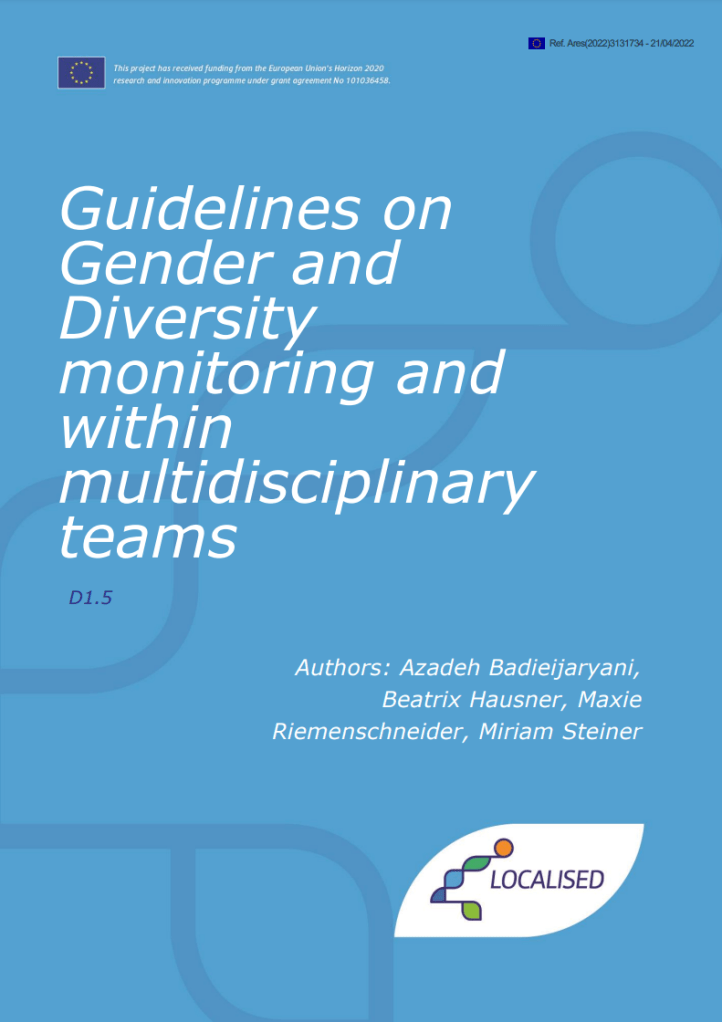
Committed to gender mainstreaming across all disciplines, the European Union’s flagship funding program for research and innovation, Horizon 2020, goes beyond groundbreaking discoveries; it also prioritizes fostering inclusivity and diversity within scientific endeavors. In this article, we will spotlight deliverable 1.5 “Guidelines on Gender and Diversity Monitoring within Multidisciplinary Teams” within the Horizon 2020 LOCALISED framework.
Practical Steps: How to Promote Gender Equality and Diversity in Multidisciplinary Research and Innovation Projects
- Establishing Clear Objectives
Projects under Horizon 2020 are encouraged to adhere to specific gender equality and diversity quotas and goals within their teams. However, it is essential to ensure that the team operates within a gender-sensitive and safe environment and monitors progress throughout the project. This clarity enables teams to effectively track their progress and identify areas in need of improvement. Moreover, reflecting on biases could aid in designing better research processes and achieving more inclusive designs and outcomes. The establishment of clear objectives and criteria for gender and diversity monitoring serves as the initial step. Involving a Gender Equality, Diversity, and Inclusion (GEDI) expert, whether as a project member or consultant, is crucial. Their expertise can assist in setting clear objectives, familiarizing project members with the working definitions of gender equality and diversity, intersectional approaches, and bias training. Moreover, the expert facilitates the collective determination of ground rules for achieving these objectives. This inclusive approach ensures that the project team is well-equipped to address gender and diversity issues effectively throughout the project.
- Collecting and Analyzing Data
Collecting relevant data on gender and diversity representation within project teams is the crucial second step towards fostering inclusivity. This data not only helps in understanding the differences but also highlights the similarities among team members. The experience of the GEDI expert is essential in designing and evaluating the data, providing valuable insights into the team’s dynamics and needs.
For instance, conducting anonymous questionnaires among project partners would be beneficial. With a focus on diversity aspects such as variety of gender, age, education, disciplines, experience, regions, and more, the data could provide insights into the team’s dynamics and areas that might require strategies to avoid structural and cultural barriers. Furthermore, questions on topics like belonging, safety, gender sensitivity, and inclusivity in the project environment could help identify potential areas of discrimination. This evidence helps identify any disparities or underrepresentation and develop targeted strategies to address them effectively. These strategies aim to enhance team rapport, find common grounds, foster multidisciplinary collaboration, and motivate members towards achieving project goals. Therefore, comprehensive data collection methodologies are essential for informed decision-making and creating a supportive and inclusive work environment.
- Implementing Strategies for Inclusivity
After the data collection and analysis, the next crucial step is implementing effective strategies to promote, achieve, or sustain the inclusivity goals and address any identified issues. The real impact lies in practical and achievable approaches, such as:
- dedicating time to team-building activities facilitated by professionals and GEDI experts can be highly beneficial. These activities target identified issues while fostering a collective sense of belonging and safety among team members.
- developing a shared living document to establish communication rules within the project, with regular reviews to ensure effectiveness, is essential.
- starting a shared glossary document to familiarize all members with concepts, terms, and definitions across disciplines.
- collectively defining certain terms to unify the language used in the project can be helpful.
These initiatives aim to create a more inclusive and collaborative work environment, ensuring that everyone feels valued and understood.
- Regular Review and Evaluation
Creating lasting change requires ongoing commitment and vigilance. As emphasized in the guidelines, regular review and evaluation of gender equality and diversity objectives are crucial. By continuously monitoring progress and assessing the effectiveness of implemented strategies, project teams can adapt and refine their approaches to better meet their goals.
- Surveys can be conducted biannually to gather feedback from team members, providing valuable insights into the evolving dynamics of the project environment.
- Team-building activities could be incorporated into all project meetings to foster a sense of unity and collaboration among members.
- An annual review of communication rules can ensure that they remain relevant and effective in promoting respectful and inclusive interactions among team members. An annual consultation time with the GEDI expert can be established to discuss any emerging issues or concerns and seek guidance on fostering inclusivity within the project, including addressing (invisible) research biases and their impacts.
These proactive measures contribute to creating a supportive and inclusive work environment, where all members, especially within multidisciplinary teams, feel valued and respected. By integrating these practices into project management processes, teams can effectively promote gender equality and diversity throughout the project.
Departing words
Beyond the confines of individual projects, the significance of these guidelines (Deliverable 1.5, LOCALISED project) extends to the broader research and innovation landscape. Diversity within teams brings a wealth of perspectives and experiences, fueling creativity and driving innovation forward. By embracing gender equality and diversity, researchers not only enhance their outcomes but also set a precedent for inclusivity across the scientific community and pave the way for a more equitable and inclusive future. With years of national and international experience in implementing inclusivity and diversity in research and innovation topics, ÖGUT is proud to be an advocate for gender equality. Let us celebrate this International Women’s Day together!
 ÖGUT Blog